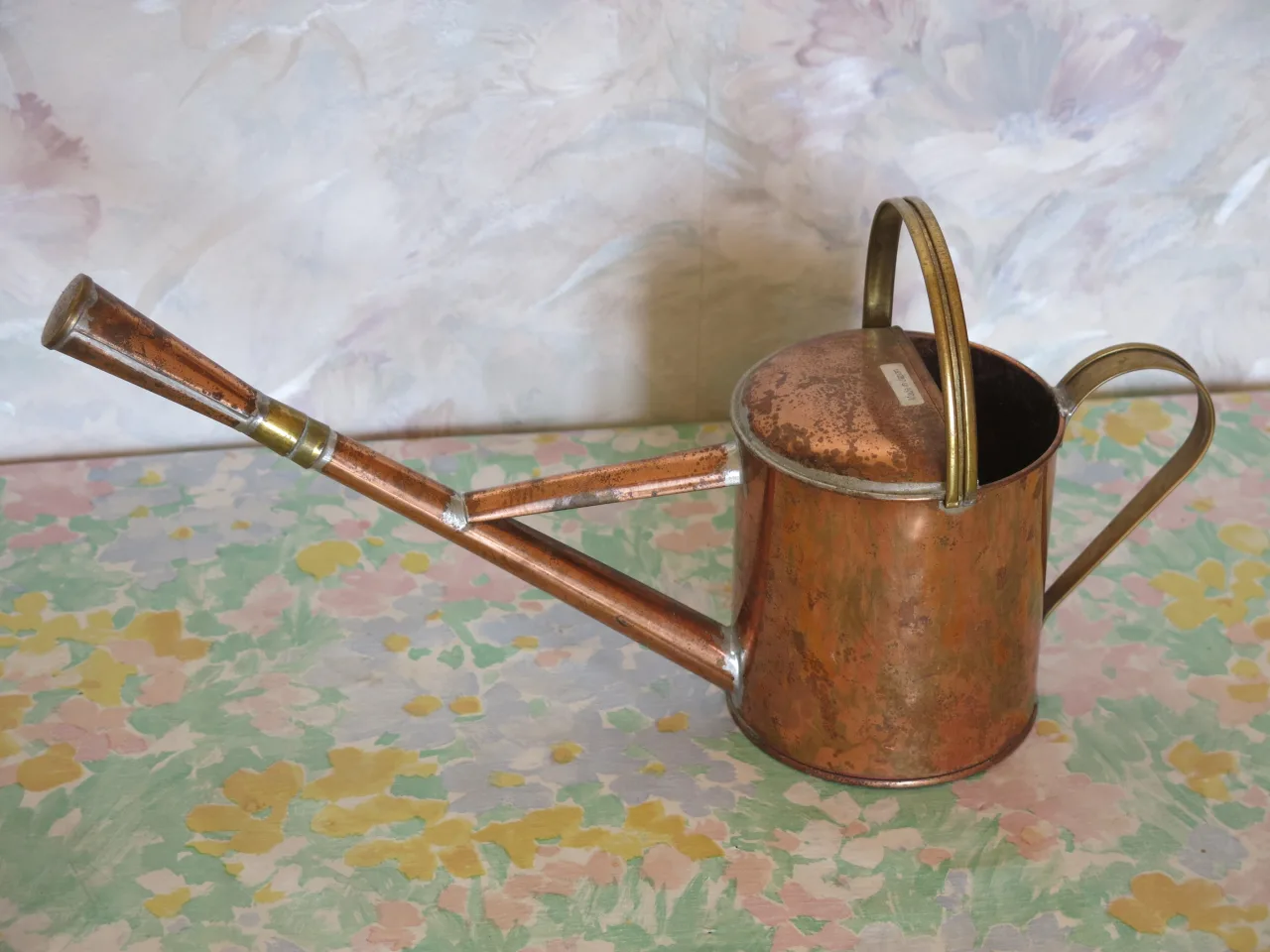
A garden can have good soil and healthy plants and still struggle if the watering is careless. Too much water in one bed and too little in a hanging basket is a common pattern, especially when several plant types share the same hose and the same schedule. The aim is not to water more often. It is to get moisture to the roots, at a pressure the soil can take, without wasting a lot of it on leaves, paths, and already-wet ground.
The basics of how much water different plants need, and how to tell when the soil is dry, are covered in a complete guide to watering your garden. This article looks at the practical side of delivery: mixed flower beds, hanging baskets, hard-to-reach spots, and how to waste less water without starving the plants that need it.
Match water to the plant and the soil
Not every plant wants the same rhythm. Hydrangeas and impatiens generally like soil that stays evenly moist. Lavender and many succulents prefer the soil to dry a little between waterings, and they suffer if they sit wet. Watering the whole garden on one timer will overwater some plants and leave others short.
Soil changes the picture. Sandy ground drains quickly and may need more frequent watering. Clay holds moisture longer and can stay soggy if you water on a fixed calendar. Sun, plant size, and the season matter as well. The simple habit that prevents most mistakes is to check the soil before you water, rather than watering because it is a certain day of the week. A finger or a small trowel a couple of inches down will tell you more than the appearance of the surface.
Flower beds and pressure
Mixed flower beds are awkward because shallow-rooted annuals sit next to deeper-rooted plants. A hard jet from a hose can wash soil off young roots, flatten seedlings, and leave water running across the surface instead of sinking in. A gentle spray, aimed at the base of the plant rather than the foliage, is usually kinder and more effective. Keeping leaves drier also reduces the conditions that encourage some fungal diseases.
Morning is often a practical time to water. Temperatures are lower, less water evaporates immediately, and foliage has time to dry before evening. Mulch helps the bed hold what you have already applied. A layer of shredded bark, compost, or dry leaves slows evaporation, evens out soil temperature, and cuts down on weeds that compete for the same moisture.
Hanging baskets and awkward spots
Hanging baskets dry out faster than ground beds because they hold little soil and sit in moving air and sun. They are also harder to reach, which is why they are easy to skip until the plants have already wilted. Water them slowly until a little excess starts to drain from the holes. That is a better sign of a thorough soak than a quick splash down one side of the pot. In hot weather, lift the basket occasionally. If it feels unusually light, the compost is probably dry all the way through.
A watering wand or a long-reach rose on the hose is useful here, and for plants tucked behind furniture or dense shrubs, because you can reach the pot without dragging a ladder through the border. The tool is only a way to place the water. What matters is a slow, even soak at the roots, not a strong spray from a distance.
Waste less without starving the roots
Efficient watering does not mean giving every plant less. It means less runoff and less evaporation, with enough moisture still reaching the root zone. Where the plant and soil allow it, water more deeply and less often, so roots grow downward instead of staying in a thin wet crust at the surface. Grouping thirsty plants together, and putting drought-tolerant ones in a drier part of the garden, also makes a single pass with the hose more sensible.
A nozzle with a few spray settings is enough for most home gardens: a soft shower for beds and baskets, a more directed stream for a single container. Timers can help on a larger plot, but they still need to be checked against the weather and the soil. A leak at a hose fitting or a washer that no longer seals can waste more water than a slightly long watering session, and mineral deposits in a spray head will throw the pattern off. Drain and store hoses before a freeze. A short inspection takes less time than replacing a split hose in the middle of a dry spell.
The work is ordinary and repetitive: check the soil, aim at the roots, ease off the pressure, and give hanging baskets the extra attention they dry out looking for. Those habits keep flowers and vegetables in better condition than any particular piece of equipment.