Cooking outdoors is more satisfying when the herbs and vegetables are picked a few steps from the grill. You do not need a large backyard or a dedicated vegetable patch to make that possible. A few well-chosen plants in pots, planters, or a small bed can supply fresh ingredients through the warmer months, and they can sit close enough to the cooking area that you actually use them.
Start with compact herbs
Herbs are the easiest way into a barbecue garden. They stay compact, they can be harvested as needed, and many of them grow well in containers. Basil is a natural match for tomatoes, grilled vegetables, and chicken, and it wants plenty of sun and regular water in hot weather. Rosemary’s woody stems season lamb, chicken, and roasted potatoes, and once it is established it copes well with warmth and does not need constant watering. Thyme and oregano earn their space in marinades, dressings, and dry rubs, and they are happy in pots with good drainage.
If you have a little more room, parsley is useful in fresh sauces and salads, and mint is a good addition to drinks and summer desserts. In a tight space, stacked herb pots can sit by the kitchen door or beside the barbecue. Use containers with drainage holes, and group plants that want similar watering so you are not soaking one to keep another alive.
Add a few vegetables that actually hit the grill
Once the herbs are in place, add vegetables that are easy to grow and taste good cooked outdoors. Cherry tomatoes do well in containers in full sun and produce plenty of fruit for salads, skewers, or a quick turn on the grill with a little olive oil. Zucchini, if you have the space, grows quickly; slice it lengthwise, brush it with oil, and season with salt, pepper, and the herbs you just picked. Spring onions take up very little room and earn their keep in marinades, salads, burgers, and grilled vegetable dishes.
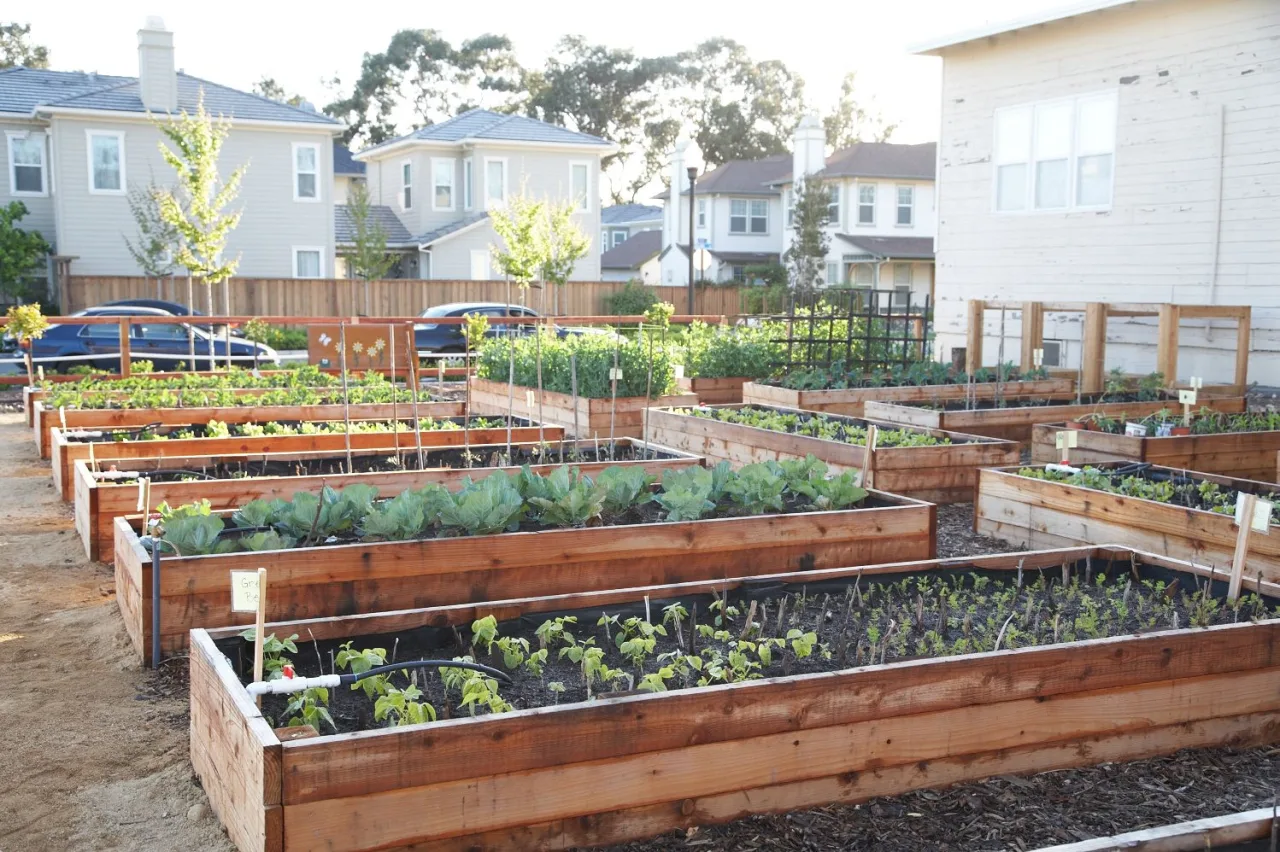
The garden does not have to look like a farm plot. Keep the plants close to where you entertain. A few herb pots along the edge of a deck, or beside an outdoor kitchen, put ingredients within reach. Raised beds work well for the vegetables, and vertical planters help when floor space is tight. If you are also thinking about a more permanent outdoor room for dining, a guide to building a garden room that earns its place is a natural next step once the cooking corner is already in use.
| Plant | Why it earns a place by the grill |
|---|---|
| Basil | Salads, marinades, and sauces; wants sun and regular water |
| Rosemary | Lamb, chicken, and potatoes; stays tough once established |
| Cherry tomatoes | Skewer well and grow happily in a sunny pot |
| Zucchini | Fast-growing and easy to grill in long slices |
| Mint and parsley | Drinks, dressings, and salads when you have a little extra room |
Sun, water, and using what you pick
Most herbs and fruiting vegetables need several hours of direct sun each day, though the exact amount depends on the plant and the climate. Container plants dry out faster than plants in the ground, so check them often in midsummer. Water early in the morning and soak the soil, rather than just wetting the surface. Mulch around vegetables helps hold moisture and steadies soil temperature. In pots, use a proper potting mix; ordinary garden soil often drains poorly and compacts.
The point of a barbecue garden is immediate use, not complicated recipes. Chopped rosemary, thyme, garlic, and olive oil make a simple marinade. Fresh basil changes a tomato salad. Parsley, lemon, and oil make a quick dressing. Grilled zucchini, peppers, and cherry tomatoes need very little else. Mint can go into homemade lemonade, and seasonal fruit works well with fragrant herbs.
Hot, dry spells will test a small garden more than a mild week of spring. Check pots daily in midsummer, and shift containers a little if a wall turns a patio into an oven in the afternoon. If a plant wilts in the heat, water the soil, not only the leaves, and harvest lightly until it recovers. A barbecue garden that is slightly smaller and well watered will give you more usable bunches of herbs than a crowded collection that dries out between weekend cookouts.
You can also think in terms of a few reliable combinations rather than a long planting list. Basil next to cherry tomatoes, rosemary next to potatoes and chicken on the grill, and mint kept in its own pot so it does not take over, will cover most summer meals. Add zucchini or spring onions when those basics are already doing well.
Start with a few herbs you already cook with, then add a vegetable or two as you get more confident. A small, sunny collection of pots next to the grill will do more for weeknight dinners than a large bed you never walk to with a pair of scissors in your hand.