Container gardening is a practical way to grow food and flowers when you do not have a full garden bed. A balcony, a small patio, or even a bright corner can support herbs, compact vegetables, and a few flowering plants if the pot, the soil, and the watering habit are right. The advantage of a container is control. You choose the mix, you can move the pot toward the light, and you are not stuck with whatever soil happens to sit under the paving. With a little planning, even a first-time gardener can get a useful harvest from a surprisingly small footprint.
Success starts with the container itself. Plastic pots are light and hold moisture. Terracotta lets roots breathe but dries out faster, which can be a benefit in a damp season and a burden in heat. Fabric pots are popular because they discourage roots from circling the wall of the pot. Size matters as much as material. A larger pot holds more mix, stays wetter between waterings, and gives roots room to grow. Small pots suit herbs and compact plants, but they need more frequent attention. Drainage is not optional. Choose a pot with holes in the base, or add them. Without an escape route for extra water, roots sit wet and rot follows quickly.
Soil, feeding, and plants that actually fit a pot
Ordinary garden soil is usually too dense for a pot. It packs down, holds water in the wrong way, and restricts roots. A potting mix made for containers is lighter, drains more evenly, and is the better starting point. Nutrients in a pot also run out faster than they do in the ground, so feeding has to be planned rather than left to chance. A balanced slow-release fertilizer can cover a stretch of the growing season. A liquid feed is useful when plants are growing hard. Match the schedule to the plant, and do not assume that more fertilizer is kinder. Overfeeding burns roots just as easily as neglect starves them.
Not every plant is happy in a container. Compact or dwarf tomatoes, peppers, and lettuce are reliable choices. Basil, thyme, and mint settle well in smaller pots and are easy to keep up with in a kitchen-side position. Flowers can fill the gaps, and a fruiting plant can earn its place if the pot is large enough and the light is strong. Most vegetables want at least six hours of direct sun. Some herbs and leafy greens will tolerate a little shade. Matching the plant to the light you actually have will do more for the harvest than buying a more ambitious variety and hoping the balcony cooperates.
Watering, daily care, and making a small space work harder
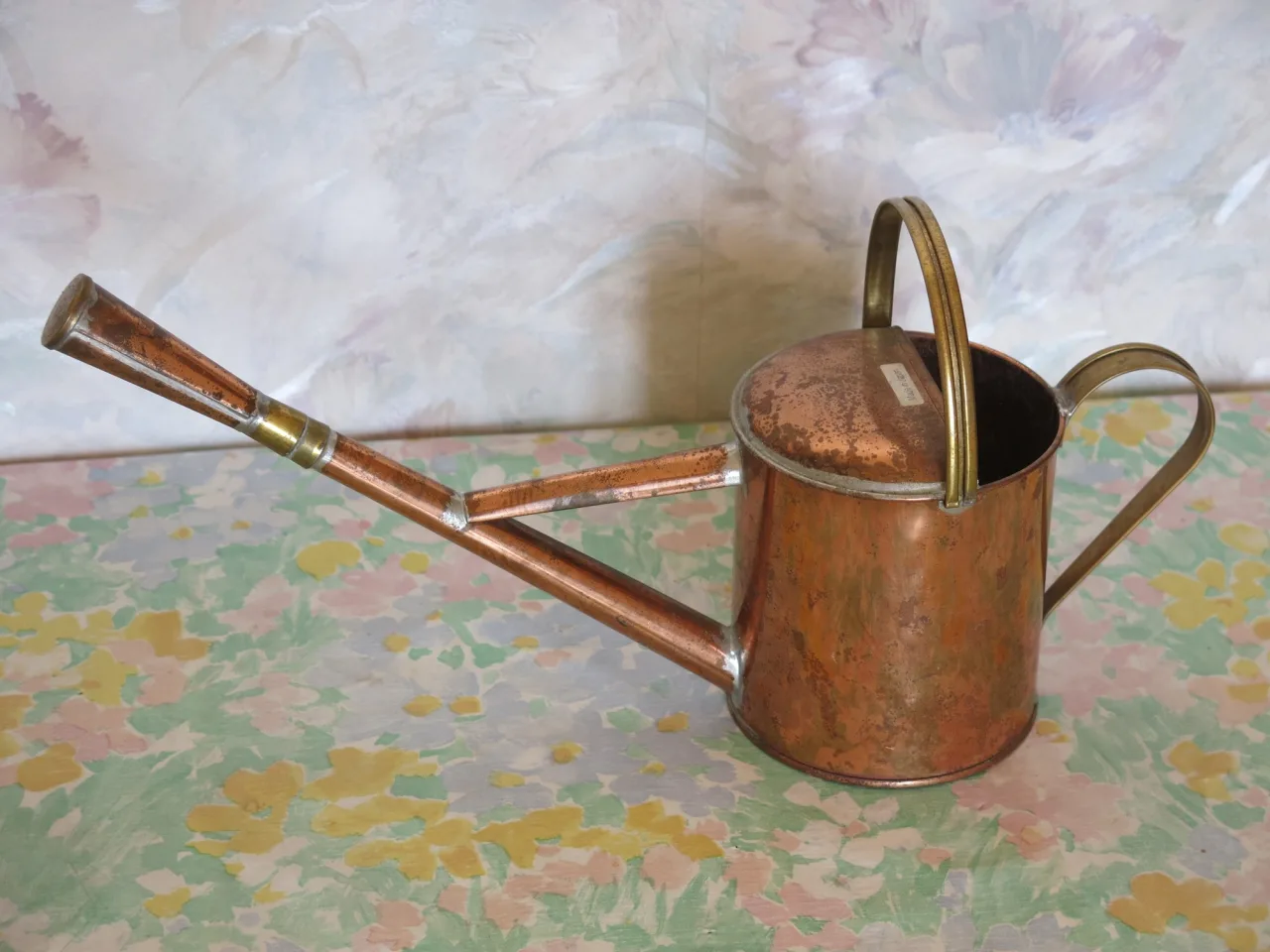
Pots dry out faster than garden soil, especially on hot or windy days, so watering is the habit that makes or breaks a container garden. A simple test is still the most useful one: water when the top inch of mix feels dry, and water thoroughly until it runs from the drainage holes so the whole root mass gets wet. Shallow sips leave roots weak and crowded near the surface. The same care that keeps an in-ground bed healthy still applies in a pot, and a complete guide to watering your garden is worth reading if you are still learning how often to water in heat, wind, or a sudden cool spell.
Routine maintenance is easier when you look closely a few times a week. Pick off dead leaves, trim growth that has gone wild, and check the undersides of leaves for pests before a small problem spreads. Placement matters too. A shelf, a hanging basket, or a short trellis can add growing space without taking more floor. Pairing plants with similar water and light needs keeps care simpler, and herbs grown beside vegetables can sometimes help with pests while flavouring the kitchen as well. Refresh the mix between seasons rather than asking last year’s tired soil to do the same work again. Rotate what you grow when you can, so one pot is not asked to produce the same crop from the same exhausted nutrients year after year. Even a few minutes of looking, watering, and tidying several times a week will tell you more than a complicated feeding schedule you do not keep. Container plants show stress quickly, which is a gift if you are willing to notice a droop, a pale leaf, or a dry rim of mix before the damage is done.
Even a modest balcony can produce a surprising amount of food if the basics are steady: a pot that drains, a mix that breathes, plants that fit the light, and watering that reaches the roots. Container gardening does not remove the work. It just makes the work possible in a small footprint. With patience and regular attention, that small space can become both productive and pleasant to look after.