Outdoor cushions are often the cheapest way to make a patio or balcony feel finished, and they are also the first things to fade, mildew, or flatten if they are chosen only for colour. The useful questions are about fabric, fill, how much weather they will actually see, and whether you have somewhere dry to put them when the rain starts. A set that looks right in a photograph can still be a poor fit for a small, unsheltered balcony.
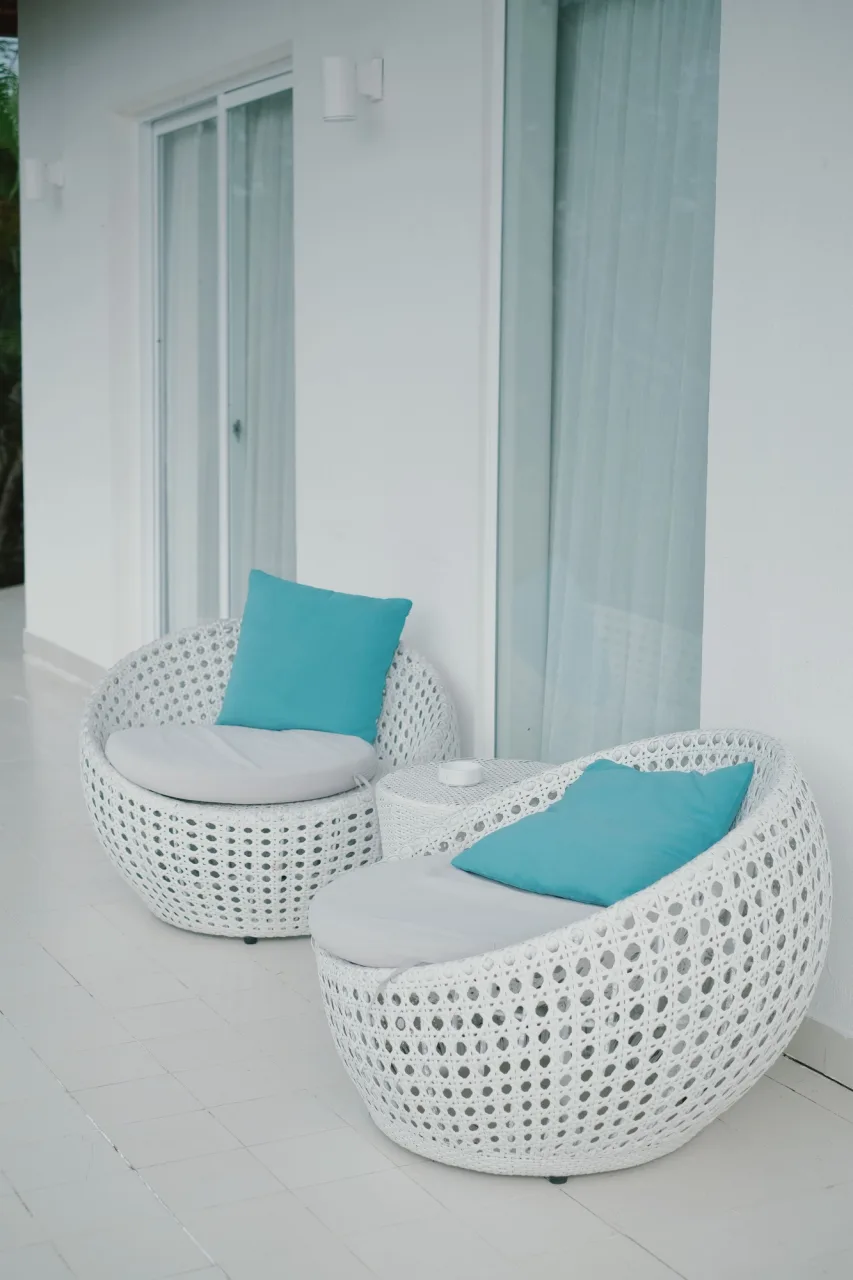
This is practical advice, not a product ranking, and it does not use unofficial price bands. Check the maker’s care label for the fabric you buy, especially for cleaning and for any claim about water or ultraviolet resistance.
Measure first, then choose fabric and fill
Measure the seat and back of the furniture you already have, including depth and any ties or hidden fastenings. A cushion that is only a little too narrow will slide around; one that is too deep will push you forward. On a balcony, also measure the door swing and the clearance you need to walk past a chair. A patio can absorb a deeper lounge cushion. A narrow balcony often cannot.
Fabric has to handle sun and, in many climates, sudden rain. Solution-dyed outdoor acrylics and similar outdoor fabrics are made for that job more honestly than an indoor upholstery cloth brought outside. A water-resistant cover is not the same as a waterproof one, and no cover stays looking new if it is left wet in a heap. Open-cell foams hold water; fills sold for outdoor use, including some quick-drying or closed-cell options, are a better match for furniture that may be caught in a shower. If you cannot store the cushions under cover, that difference matters more than the pattern.
Ties, non-slip bases, and removable, washable covers make daily use easier. A beautiful cover that cannot be taken off will be harder to keep clean after food, pollen, or a wet dog. Darker colours hide marks and often fade less obviously than a very pale cloth in strong sun, but they also show dust and show heat on a bare summer seat.
Styling that still leaves room to walk
A small number of cushions in related colours usually looks calmer than a large mix of patterns, especially on a balcony where every object is close to the eye. One contrasting lumbar cushion can be enough. On a larger patio, a bench or a two-seat arrangement can take a repeating colour that also appears in a nearby planter or an outdoor rug rated for the purpose. Leave space to put down a drink and to stand up without knocking a stack of pillows to the floor.
Shelter changes everything. A covered porch will keep fabric in better condition than an open roof. If the space is unsheltered, plan storage: a bench with a dry chest, a hall cupboard, or a purpose-made bag. Cushions should be stood or stored so air can move, not sealed away damp. In winter, or in a long wet spell, bringing them inside is the surest protection.
The same outdoor-living questions — light, shelter, and materials that can survive weather — show up whenever a house is being dressed for time spent outside. A same-site guide to shaping a Hamptons-style outdoor entry and sitting area is a useful companion if you are thinking about the whole threshold, not only the pads on the chairs.
Care that actually extends the life of the set
The furniture under the cushions matters as well. Cheap metal frames rust and stain a pale cover from underneath; wipe the seat dry before the cushion goes back on. A deep teak or synthetic-wicker seat can hold water in its slats after rain, which soaks a cushion from below even if the shower was short. Stand the cushion on its side to dry. If you add an outdoor rug, choose one made for the purpose and keep it from trapping wet foam against the floor after a storm. These are small habits, and they are what usually separate a set that still looks decent next spring from one that does not.
Shake or brush off grit before it works into the cloth. Clean spills quickly with the method on the label. Let covers dry fully before they go back on the fill. Replace a cushion that has collapsed or grown mildew rather than hoping a cover will hide it. If you use a waterproof box, open it on dry days so moisture does not sit inside.
Outdoor cushions will not turn a cramped, unsheltered balcony into a second living room, and they will not survive a summer of neglect. Chosen to the furniture, the weather, and a storage habit you will keep, they are one of the simpler ways to make an outdoor seat worth using.