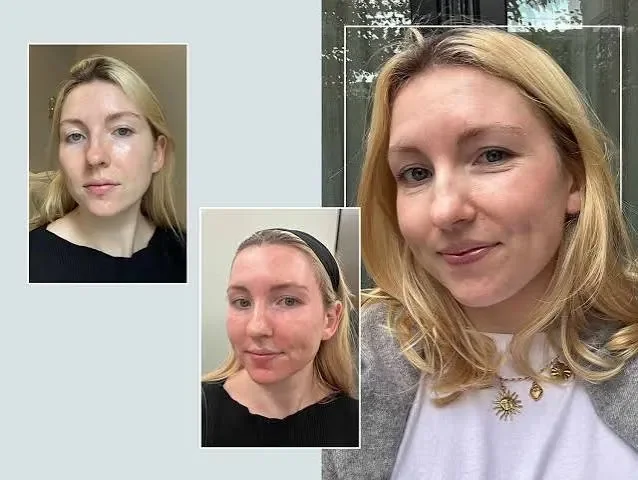
 Fractional laser treatments are dermatological procedures designed to improve the texture and overall appearance of the skin. They’ve become popular in aesthetics because they can target specific concerns precisely and encourage the skin to renew itself from within.
How they work
A fractional laser creates microscopic columns of controlled thermal injury in the skin, known as microthermal zones. That measured damage triggers the body’s natural healing response and encourages fresh collagen and elastin. The skin becomes firmer and more elastic, with a more even tone and texture. Because the surrounding healthy tissue is left untouched, recovery is much faster than with older, fully ablative resurfacing methods that remove the entire top layer of skin.
What they treat
Fractional technology is used for fine lines, wrinkles, sun damage, hyperpigmentation, acne scars and enlarged pores. By boosting deep collagen production, it helps restore the skin’s youthful quality and structure, which makes it a popular choice for people with an uneven complexion who prefer a non-invasive approach.
Types of fractional laser
Several types are used in dermatology, each suited to particular applications:
- Ablative lasers vaporize microscopic columns of damaged outer skin to promote fresh tissue growth.
- Non-ablative lasers bypass the surface and target deeper layers to stimulate collagen without breaking the skin barrier.
- Some devices, such as the Halo BBL, combine fractional and broad-band light therapy to address a range of complex concerns.
What the procedure involves
The process starts before the laser touches the skin:
- A clinical consultation assesses your skin condition, medical history and suitability.
- On the day, the skin is cleansed and a topical anaesthetic is applied for comfort.
- The practitioner then guides the handheld device systematically over the area, delivering precise pulses of energy into the dermis.
- Most sessions last between twenty and sixty minutes, depending on the size of the area.
Recovery and aftercare
Afterward the skin is often flushed and warm, like a mild sunburn. This usually settles within a few days. Keep the skin well moisturized, avoid direct sun and use a broad-spectrum sunscreen while it heals. Because recovery is shorter than with traditional resurfacing, most people return to normal activities within a few days.
Who is suitable
Suitability depends on skin type, the severity of the concern and general health. People with active skin infections or certain medical conditions, or who are pregnant, may need to postpone treatment or consider alternatives. An honest consultation with a qualified provider helps establish candidacy and realistic expectations.
Benefits and risks
Compared with surgery, fractional laser offers minimal downtime, less discomfort and lower complication rates, and it can address several skin issues at once. When performed by trained professionals it is generally very safe, but it can cause temporary redness, mild swelling, minor discomfort and short-term shifts in pigmentation. These are usually brief and manageable with proper aftercare, and choosing an experienced practitioner lowers the risk of adverse outcomes.
How many sessions, and what it costs
Dermatologists typically recommend a series of three to five treatments spaced several weeks apart to build collagen, with maintenance sessions annually to sustain results. Pricing depends on the technology used, the size of the treatment area and the number of sessions. A fractional laser costs more upfront than basic skincare or topical products, but its longer-lasting results often justify the cost. A good provider will discuss budgets openly and tailor a plan to your goals.
Where the technology is heading
Ongoing innovation keeps improving the precision, comfort and safety of fractional lasers. Hybrid devices that combine several laser modalities give better results across different skin types and concerns, and protocols are increasingly personalized.
Whichever device you consider, see a qualified dermatologist or certified laser specialist. They can identify underlying skin issues, recommend suitable options for your skin type and guide you through recovery, so you get the benefits without compromising your skin barrier.